

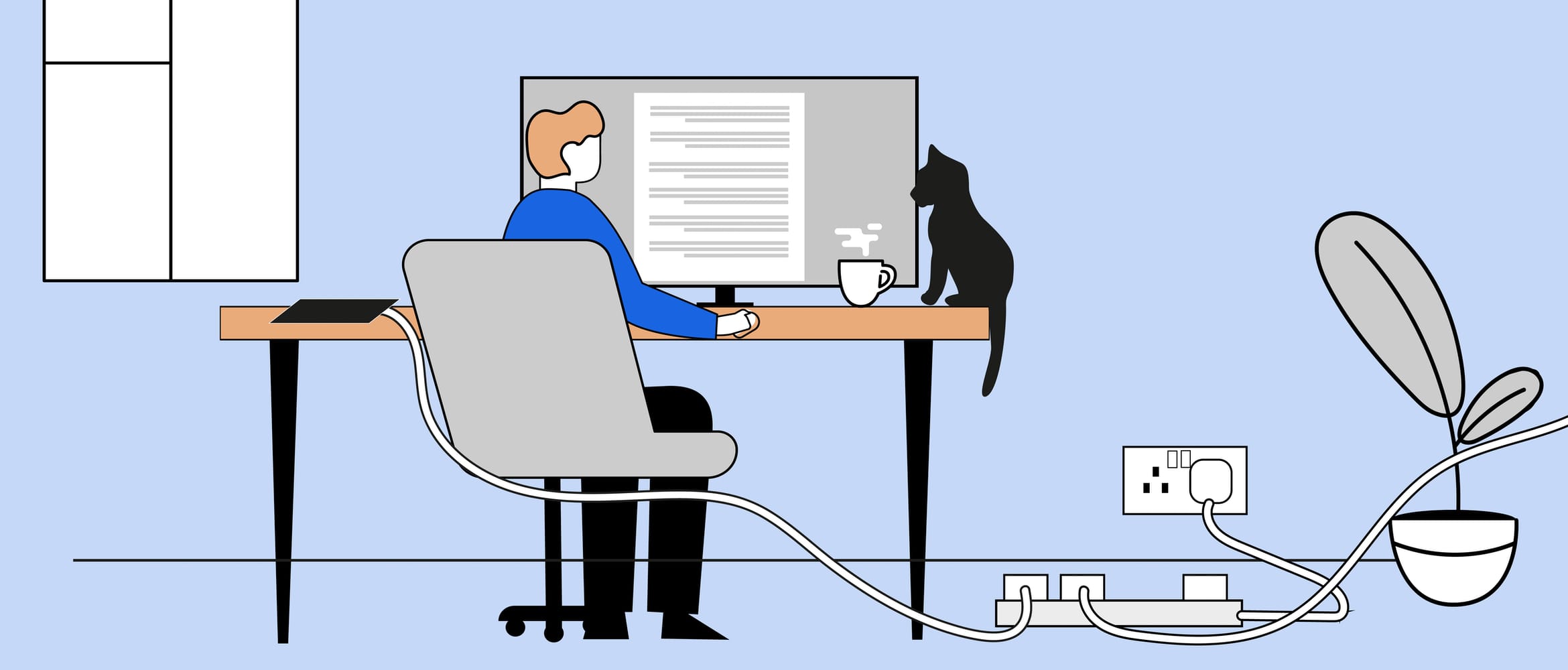
In the wake of the COVID-19 pandemic, remote work has become increasingly prevalent, prompting businesses and organizations to adapt to a distributed workforce. While working from home offers flexibility and convenience, it also brings forth a unique set of risks that employers must address to ensure the health, safety, and productivity of their remote employees. A crucial aspect of managing these risks is conducting a thorough home working risk assessment.
What is a Home Working Risk Assessment?
A home working risk assessment is a systematic evaluation of the potential hazards and risks associated with remote work environments. It involves identifying potential dangers, assessing their likelihood and severity, and implementing measures to mitigate or eliminate them. By conducting a comprehensive risk assessment, employers can create a safer and healthier work environment for their remote employees.
Key Components of a Home Working Risk Assessment
Ergonomic Hazards
Assess the ergonomic setup of the home workspace, including desk, chair, computer equipment, and lighting.
Identify potential risks such as poor posture, repetitive strain injuries, and eye strain.
Recommend ergonomic solutions such as adjustable furniture, ergonomic accessories, and regular breaks to minimize the risk of musculoskeletal disorders.
Psychosocial Risks
Evaluate the psychosocial factors that may impact remote workers’ mental health and well-being, such as social isolation, work-life balance, and job stress.
Implement strategies to promote social connectivity and support remote employees’ mental health, such as regular check-ins, virtual team-building activities, and access to employee assistance programs.
Workstation Setup
Assess the physical environment of the home workspace, including ventilation, temperature, and noise levels.
Identify potential hazards such as inadequate lighting, trip hazards, and electrical safety risks.
Provide guidelines for optimizing the home workstation setup to ensure a safe and comfortable working environment.
Information Security
Evaluate the security risks associated with remote work, including data breaches, unauthorized access, and cybersecurity threats.
Implement measures to safeguard sensitive information and secure remote access to corporate networks, such as encryption, multi-factor authentication, and VPNs.
